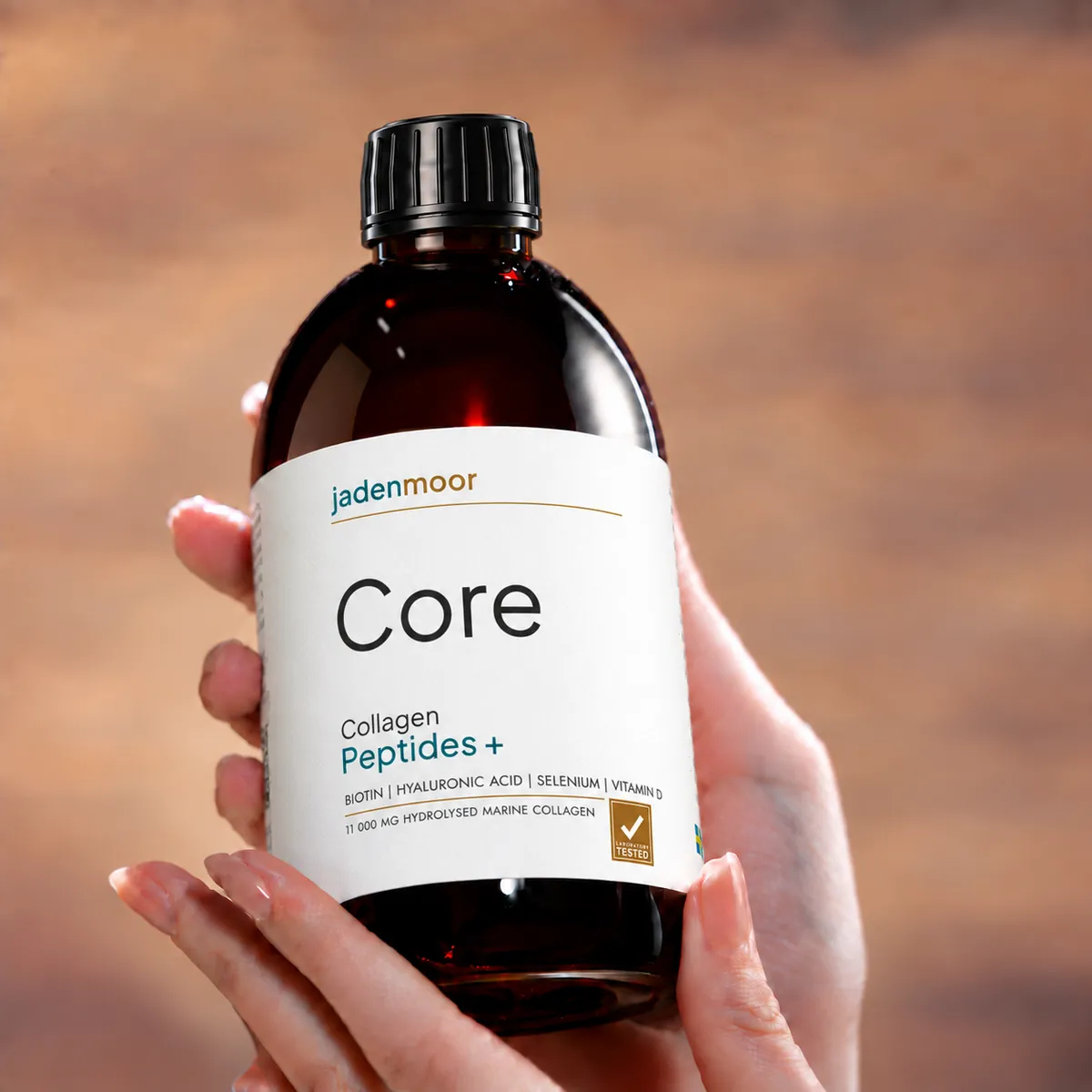
Vitamin C is the nutrient in Core™ whose authorised claim mentions collagen by name, and it was part of several study products set out below.
- The claim, word for word: Vitamin C contributes to normal collagen formation for the normal function of skin.
- What study products held: vitamin C, biotin, zinc, vitamin E, vitamin A, coenzyme Q10 or ornithine, depending on the study.
- What Core™ holds: marine collagen with vitamin C, biotin, hyaluronic acid and six more nutrients in each portion.
of 106 women found our liquid marine collagen easy to include in their daily routine during an 8-week trial.
- 95%felt the appearance of their skin improved
- 89%reported more moisture and glow
- 86%reported healthier hair
What should you take with collagen?
Vitamin C is the nutrient that appears in all three written records on this question, and Core's label adds biotin and hyaluronic acid beside it. Each record says something different.
- The study record. Several published collagen trials tested a finished product, with collagen plus a short list of other nutrients. The next section sets out four of them.
- The claims record. The EU keeps a list of health claims a food may carry. Vitamin C has an entry there that names collagen.1
- The label. A Core™ portion carries vitamin C, biotin and hyaluronic acid next to its collagen, so those three are in the glass before you add anything.2
Vitamin C appears in all three records. Biotin and hyaluronic acid are the two names people ask about next.
What did the collagen trials pair it with?
In four placebo-controlled trials the collagen came with other nutrients: vitamin C, acerola extract, zinc, vitamin E, biotin, coenzyme Q10, vitamin A or ornithine, depending on the study. Each result below belongs to that study's whole product, since every participant in the collagen group took all of its ingredients at once.
Four study products and what was in them
The collagen, the nutrients beside it, and the reading each study reported.
| Study | What the product contained | What was measured |
|---|---|---|
| 12-week randomised, double-blind trial in adults aged 40 to 60, about 90% of them women (48 on collagen, 52 on placebo)3 | A daily marine collagen drink: 8 g of hydrolysed collagen plus vitamin C | The expert-graded score for healthy hair appearance improved by 31.9% on average with collagen, against 9.4% with placebo. That is a change in a score. In the collagen group, the authors reported skin hydration +13.8% and elasticity +22.7% at 12 weeks. |
| 12-week randomised trial of 72 women aged 35 and over, 36 per group4 | A drink with 2.5 g of bovine collagen peptides plus acerola extract, vitamin C, zinc, vitamin E and biotin | Changes from baseline in the collagen group: skin hydration +28.0% (placebo +9.0%), wrinkle depth −26.8% (placebo −6.4%), skin density +24.8% (placebo +6.8%). |
| 12-week randomised, double-blind trial in 34 healthy women aged 40 to 655 | 10 mL of a liquid syrup a day: 4 g of hydrolysed fish collagen plus coenzyme Q10, vitamin C, vitamin A and biotin | Dermis density increased and the wrinkle area around the eyes decreased versus placebo. |
| 8-week randomised, double-blind pilot trial in 22 healthy Japanese adults aged 31 to 486 | A daily 30 ml drink: 10 g of fish-derived collagen peptide plus 400 mg of ornithine | Transepidermal water loss was lower than placebo at 8 weeks. |
Look down the middle column and vitamin C is named again and again, with biotin beside it in the second and third products. The table does not split a result between ingredients, because a product was tested and the product is what the figures describe.
Why is vitamin C the one people name?
Vitamin C is the one people name because its link with collagen is written into food law. The EU list of permitted health claims authorises this sentence: Vitamin C contributes to normal collagen formation for the normal function of skin.1 Parallel claims exist for bones, cartilage, gums, teeth and blood vessels. Of the nutrients in Core™, it is the only one whose claim uses the word collagen.
That wording rests on a scientific opinion in which EFSA's expert panel concluded that a cause and effect relationship has been established between the dietary intake of vitamin C and normal collagen formation, with the general population as the target population.7 The claim is about vitamin C and your body's own collagen. It says nothing about collagen peptides, which is why this page keeps the two apart.
Vitamin C has to arrive from outside. Humans, unlike most animals, cannot make it in the body, so it has to come from the diet, and it is required for the biosynthesis of collagen.8 Inside that process it acts as a coenzyme for the enzymes that add hydroxyl groups to proline and lysine, a step that stabilises collagen's triple-helix structure.7
As for amounts, the adult daily reference intake for vitamin C used on EU labels is 80 mg.9 One Core™ portion has 120 mg, which is 150% of that labelling reference.2 For the chemistry in more depth, see our page on how vitamin C and collagen relate.
What about biotin and hyaluronic acid?
Biotin has two authorised claims, for hair and skin, and Core™ has 5,000 µg per portion, while hyaluronic acid has no authorised claim, so what can be said about it comes from studies. The evidence we hold for each is of a different kind, so they get separate answers.
Biotin
Biotin is a water-soluble B vitamin, also called vitamin B7, and an essential nutrient.10 Two of its authorised claims concern hair and skin. Biotin contributes to the maintenance of normal hair. Biotin contributes to the maintenance of normal skin.1 Core™ has 5,000 µg of biotin per portion.2 Our biotin page covers the vitamin on its own.
Hyaluronic acid
Hyaluronic acid has no authorised claim, so what can be said about it comes from studies, each at its own dose. A 2014 review of hyaluronic acid taken by mouth gathered randomised, double-blind, placebo-controlled studies that used 120 mg or 240 mg a day for 2 to 6 weeks in people with dry skin. The authors reported improved skin moisture versus placebo.11
A later 12-week trial of 40 adults aged 35 to 64, also randomised, double-blind and placebo-controlled, gave 120 mg a day. At 12 weeks the hyaluronic acid group had higher water content in the outer layer of facial skin and lower facial transepidermal water loss than placebo.12
Core™ carries 50 mg of hyaluronic acid per portion.2 The studies above describe 120 mg and 240 mg a day, so read them as findings for those amounts. A side-by-side of the two ingredients is in collagen vs hyaluronic acid.
What is already in one Core™ portion?
Vitamin C and biotin are both on Core's label, in the same as 11,000 mg of hydrolysed marine collagen, types I and III.2
One portion of Core™
Amounts per portion, with the share of the EU labelling reference (NRV) where the label states one.
| In the portion | Amount | Share of NRV |
|---|---|---|
| Hydrolysed marine collagen, types I and III | 11,000 mg | |
| Vitamin C | 120 mg | 150% |
| Biotin | 5,000 µg | |
| Hyaluronic acid | 50 mg | |
| Silica | 50 mg | |
| Vitamin D | 60 µg | |
| Vitamin B5 | 5 mg | 83% |
| Vitamin B6 | 1.7 mg | 121% |
| Vitamin B12 | 24 µg | 960% |
| Selenium | 27.5 µg | 50% |
Collagen, vitamin C and biotin come in one pour. The remaining nutrients each have their own authorised wording, set out in what the vitamins in a collagen portion are for.
What can you mix a collagen portion into?
You can drink a collagen portion straight or stir it into water or a smoothie, the three options in Core's directions, and all of them start the same way: shake the pack and pour into the cap.2
- Straight. Drink it from the cap. The flavour is natural berry.
- In water. Stir the portion into a glass of water for a longer drink.
- In a smoothie. Stir the portion into a smoothie.
One portion a day is the amount, and the pack lives in the fridge once opened.

assets/img/blog/ww-mix.webpWhat did women in our trial report?
In our user trial, 106 women took our liquid marine collagen every day for 8 weeks, and ease came out on top, as 99% found it easy to include in their daily routine.2 Their answers are about the whole drink.
found it easy to include in their daily routine.
felt the appearance of their skin improved.
reported stronger nails.
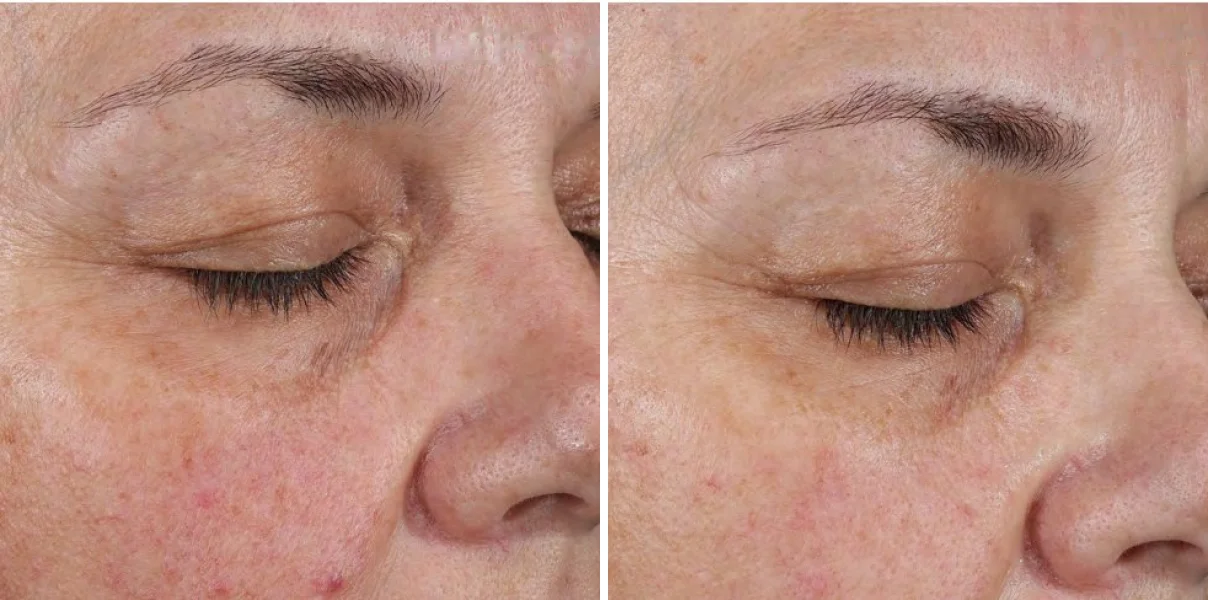
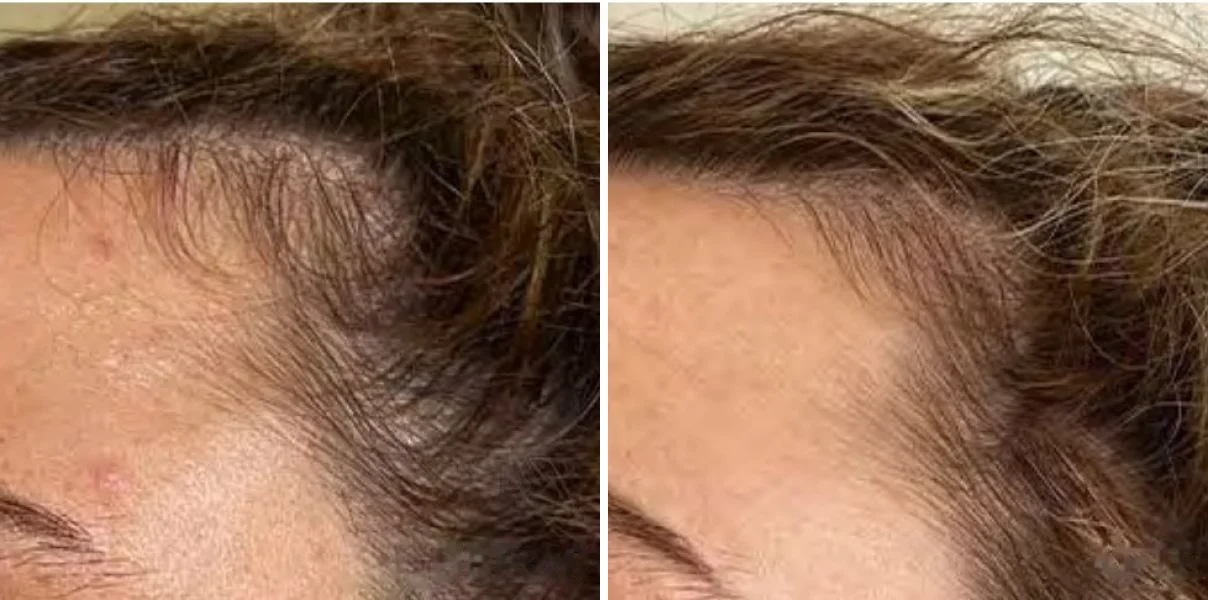
Participants in the 8-week user trial of our liquid marine collagen. This is what it looked like for these women in our study.
Buyers and writers have described it in their own words.
“The taste is amazing and it is sugar free! Love what it does to my hair, nails and skin.”
★★★★★
Suzanne H.Verified purchase · Amazon, United Kingdom · 26 August 2024
“I can really see the visible changes in my skin and nails.”
★★★★★
Check4YouVerified purchase · Amazon, Germany · 27 December 2023
“To my surprise, these worked.”
After around six months on 10,000 mg of marine collagen a day she reported glowier, more even skin that held on to hydration for longer, and nails that were less brittle.
Charlotte BitmeadWriting in Stylist13
Two verified buyer reviews of our liquid marine collagen as sold under our manufacturer's own label, and an independent first-person account of marine collagen published by the outlet named.
Ready to keep it to one pour a day? See what is in Core™.
Questions about what to take with collagen
Should I take vitamin C with collagen?
Core™ already pairs the two, with 120 mg of vitamin C in each portion next to the collagen. Of the nutrients in Core™, vitamin C is the one with an authorised claim that names collagen: Vitamin C contributes to normal collagen formation for the normal function of skin.
What vitamins are in Core™ besides collagen?
Each portion has vitamin C, biotin, vitamin D and vitamins B5, B6 and B12. It also has selenium, silica and 50 mg of hyaluronic acid. The full amounts are in the table above.
What did collagen studies combine collagen with?
Collagen studies combined it with vitamin C, acerola extract, zinc, vitamin E, biotin, coenzyme Q10, vitamin A or ornithine, varying by study. One marine collagen drink added vitamin C. One bovine collagen drink added acerola extract, vitamin C, zinc, vitamin E and biotin. A fish collagen syrup added coenzyme Q10, vitamin C, vitamin A and biotin, and a fish collagen drink added ornithine.
Is there biotin in a collagen portion?
Core™ has biotin, 5,000 µg per portion. Biotin contributes to the maintenance of normal hair. Biotin contributes to the maintenance of normal skin.
Does Core™ have hyaluronic acid as well as collagen?
Yes, Core™ has 50 mg of hyaluronic acid per portion. The hyaluronic acid studies cited on this page used 120 mg or 240 mg a day, so their findings are for those amounts.
Can I mix liquid collagen into a smoothie?
Yes, the directions for Core™ are to shake the pack, pour one portion into the cap, then drink it straight or stir it into water or a smoothie.