10 g a day, written as 10,000 mg on a label, is the top of the 1 g to 10 g range used by the individual clinical trials in our evidence. A 2023 pooled analysis of 26 trials lists amounts up to 12 g. The 8 g to 10 g trials recorded these results.
- 10 g of hydrolysed fish collagen a day: wrinkle score down 35% from baseline on the right side of the face after 12 weeks, in a trial of women aged 45 to 60.
- 8 g of hydrolysed collagen in a marine collagen drink with vitamin C: in the collagen group at 12 weeks, the authors reported skin elasticity up 22.7%.
- A single 10 g dose: higher blood levels of free hydroxyproline and of collagen-derived peptides, in a study of six healthy adults.
of 106 women felt the appearance of their skin improved after 8 weeks on our liquid marine collagen.
- 99%found it easy to include in their daily routine
- 89%reported more moisture and glow
- 87%noticed fewer fine lines and wrinkles
Is 10,000 mg of collagen enough?
10 g, which a label writes as 10,000 mg, is the largest daily amount in the individual clinical trials in our evidence, so the useful thing to know is what that amount was tested for. The sections below show what those trials measured.
The clinical trials in our evidence used between 1 g and 10 g of collagen peptides a day. One portion of Core™ holds 11,000 mg of hydrolysed marine collagen, just above that range.1
The wider picture comes from the 26 trials pooled in a 2023 meta-analysis, where the listed collagen amounts ran from 372 mg up to 12 g, and most of the trials used between 2.5 g and 10 g.2 10 g, or 10,000 mg, is the upper end of that 2.5 g to 10 g band, and 12 g was the largest amount listed.
We keep to that upper edge here. For the smaller amounts, and the studies behind each of them, read our guide to how much collagen to take per day.
Which trials used 8 g to 10 g a day?
Three trials in our evidence gave 8 g or 10 g of collagen a day: 10 g of hydrolysed fish collagen for 12 weeks, 8 g of hydrolysed collagen with vitamin C in a marine collagen drink for 12 weeks, and 10 g of fish-derived collagen peptide with ornithine in a 30 ml drink for 8 weeks. Each card below is a single study's reading, taken with its own volunteers, drink and length.
Wrinkle score down 35% from baseline on the right side of the face
Volunteers took 10 g of hydrolysed fish collagen a day. After 12 weeks the wrinkle score on the right side of the face was 35% lower than at the start, a 24% greater reduction than placebo.3
Women aged 45 to 60 · randomised, triple-blind, placebo-controlled
The authors reported skin elasticity up 22.7% in the collagen group
A daily marine collagen drink supplied 8 g of hydrolysed collagen plus vitamin C. In the collagen group at 12 weeks, the authors reported hydration up 13.8%, elasticity up 22.7% and a wrinkle index down 19.6%.4
Adults aged 40 to 60, about 90% of them women · randomised, double-blind, placebo-controlled · daily-dose groups: 48 on collagen, 52 on placebo
Lower transepidermal water loss than placebo at 8 weeks
This trial put 10 g of fish-derived collagen peptide into a daily 30 ml drink that also held 400 mg of ornithine. At 8 weeks the drink group had lower transepidermal water loss than the placebo group. The authors say they did not evaluate collagen alone.5
22 healthy Japanese adults aged 31 to 48 · pilot trial · randomised, double-blind, placebo-controlled
A better change in skin elasticity from baseline than placebo
In that pilot, the Cutometer elasticity reading, taken at the neck, rose from 0.766 to 0.784 with the drink and fell from 0.818 to 0.779 with placebo. The difference between the groups lies in the change from baseline. The drink paired its collagen with ornithine.5
22 Japanese adults aged 31 to 48 · pilot trial · randomised, double-blind, placebo-controlled
How to read the cards
- The percentages are changes in a measurement. They describe a score or a reading on an instrument rather than a share of people.
- Each result belongs to the whole drink. The 8 g drink also supplied vitamin C, and the 30 ml pilot drink also supplied ornithine.
The 8 g trial graded hair as well as skin. By the end of its 12 weeks, the expert-graded score for healthy hair appearance had improved by 31.9% on average with collagen, against 9.4% with placebo.4
What did a 10 g dose look like in a blood study?
Blood levels of free hydroxyproline and of collagen-derived peptides such as Pro-Hyp and Hyp-Gly went up after a single 10 g serving, in a randomised, double-blind crossover study of six healthy adults published in 2024.6
Each 10 g dose was dissolved in 200 mL of water before it was taken. After that single dose, blood levels of free hydroxyproline went up, along with blood levels of collagen-derived peptides, among them Pro-Hyp and Hyp-Gly. The rise was seen for all the sources and molecular weights the study tested.6
The authors describe collagen hydrolysates as digested and absorbed in two ways: as free amino acids and in peptide-bound form.6 The study followed one serving in six people and measured blood. For skin readings, go back to the trials in the cards above.
If the route from glass to bloodstream is the part you are curious about, we cover it in is collagen absorbed?

assets/img/blog/hd2-shot.webpHow do labels show a high dose?
Labels such as Core's state collagen in milligrams while studies use grams, so a 10 g dose in a trial reads as 10,000 mg on a pack. Both sit on one scale, where 1,000 mg equals 1 g.
The same amounts in grams and in milligrams
How the figures on this page read in a study and on a label.
| In grams | In milligrams | Where you meet it on this page |
|---|---|---|
| 1 g | 1,000 mg | The conversion itself. |
| 10 g | 10,000 mg | The daily amount in the 12-week fish collagen trial3 and in the 30 ml pilot drink.5 |
| 11 g | 11,000 mg | The hydrolysed marine collagen in one portion of Core™.1 |
When you read a high number on any pack, three lines tell you what it refers to.
- What the number counts. Look for the collagen figure itself, stated in mg or g. On Core™ that line reads 11,000 mg of hydrolysed marine collagen.1
- What serving it belongs to. Every collagen figure is tied to a serving, and Core's belongs to one portion.1
- How many servings make a day. With Core™ it is one portion a day.1
The pooled analysis shows how widely amounts differ from one trial to the next. With listed amounts spread from 372 mg to 12 g, the amount of collagen per serving is the figure to compare across products, whatever the format.2 We set the formats side by side in liquid collagen vs powder.
What is in one portion of Core™?
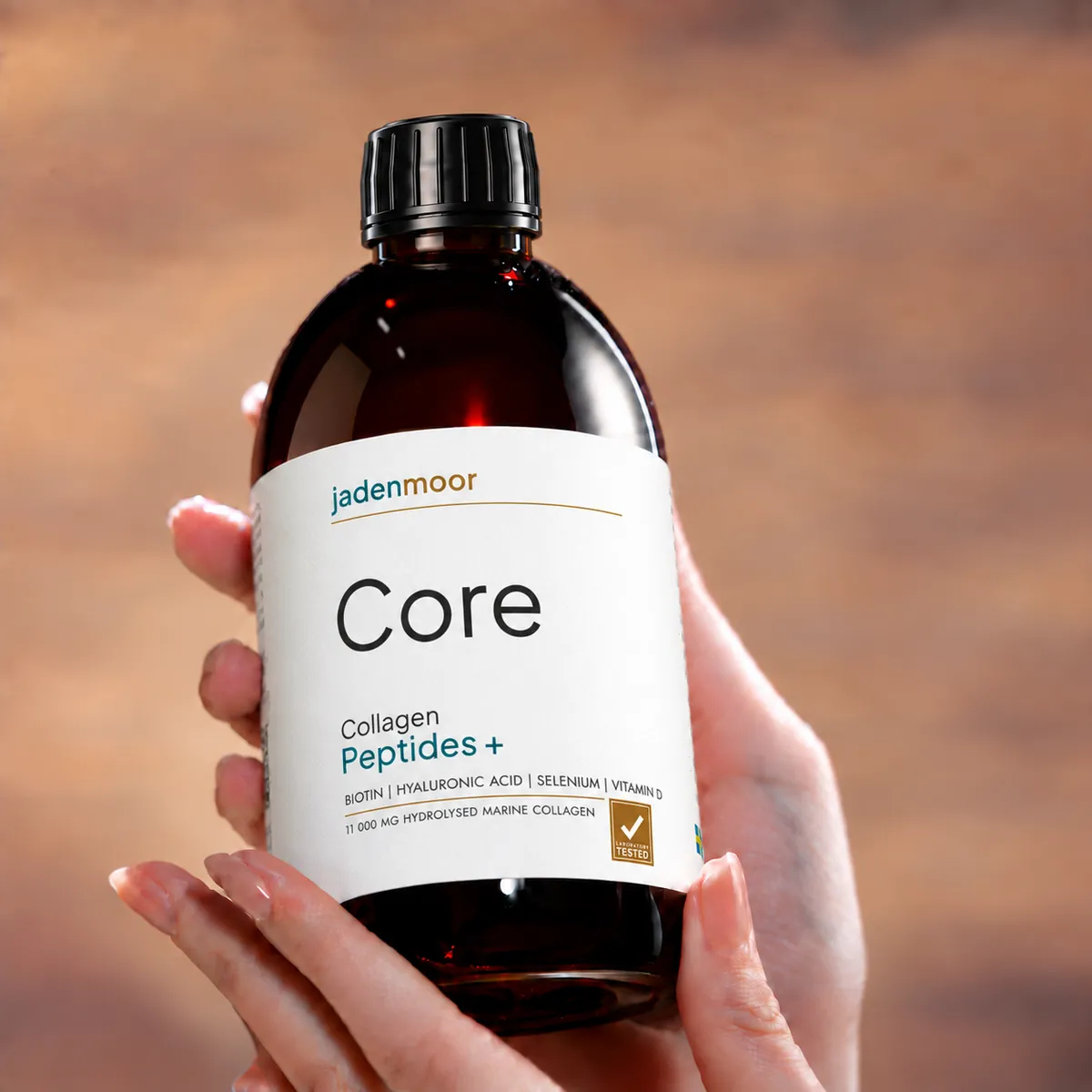
One portion of Core™ holds 11,000 mg of hydrolysed marine collagen, types I and III, with 120 mg of vitamin C, in a ready-to-drink liquid made possible because hydrolysed collagen is highly soluble in water. A peer-reviewed review describes higher solubility as a main advantage of hydrolysed collagen over native collagen.7
The collagen in Core™ is hydrolysed marine collagen, types I and III. The table below goes through the portion line by line.1
One portion of Core™
What the product specification lists for a single daily serving.
| Line | In one portion | Good to know |
|---|---|---|
| Collagen | 11,000 mg | Hydrolysed marine collagen, types I and III. |
| Protein | 9.9 g | The protein figure for the same portion. |
| Sugar and fat | Sugar free, fat free | Natural berry flavour. |
| How you take it | One portion a day | Shake, pour into the cap, then drink it straight or stir it into water or a smoothie. |
The portion carries vitamin C as well. Vitamin C contributes to normal collagen formation for the normal function of skin.8 Core™ has 120 mg of it in every portion, which is 150% of the reference intake.1
What did women report on our liquid marine collagen?
In our user trial, after 8 weeks of taking our liquid marine collagen daily, 95% of 106 women felt that the appearance of their skin improved, 89% reported more moisture and glow and 81% reported firmer skin.1 These figures are shares of the women in that trial.
felt that the appearance of their skin improved.
reported more moisture and glow.
reported firmer skin.
In that trial, women reported visible results in as little as 4 weeks, with further improvement by week 8.1 The photographs below come from the same trial.
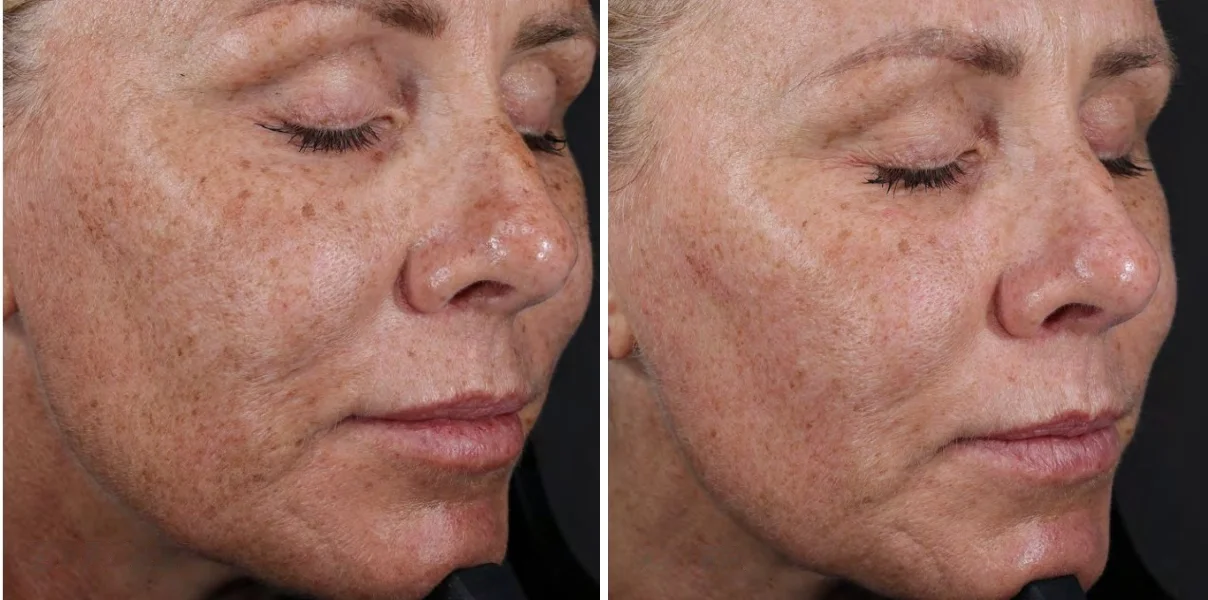
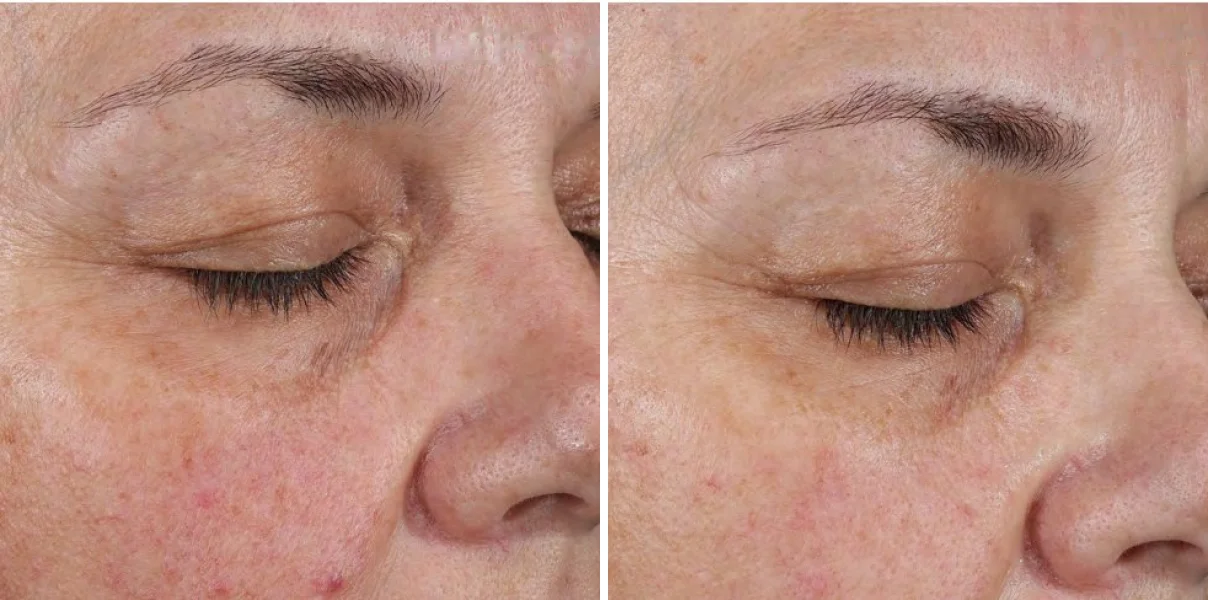
Participants in the 8-week user trial of our liquid marine collagen, photographed before and after.
One published first-person account names the amount this page is about, and two buyers describe what they saw.
“To my surprise, these worked.”
She took 10,000 mg of marine collagen a day. After around six months she reported glowier, more even skin that held on to hydration for longer, and nails that were less brittle.
Charlotte BitmeadWriting in Stylist9
“I can really see the visible changes in my skin and nails.”
★★★★★
Check4YouVerified purchase · Amazon, Germany · 27 December 2023
“The taste is amazing and it is sugar free! Love what it does to my hair, nails and skin.”
★★★★★
Suzanne H.Verified purchase · Amazon, United Kingdom · 26 August 2024
An independent first-person account of marine collagen published by the outlet named, and verified buyer reviews of our liquid marine collagen as sold under our manufacturer's own label.
Questions about high-dose collagen
Is 10,000 mg of collagen a day enough?
10 g, or 10,000 mg, is the largest daily amount in the individual clinical trials in our evidence, and those trials tell you what was measured at it. One of them, in women aged 45 to 60, gave that amount of hydrolysed fish collagen for 12 weeks and recorded a wrinkle score 35% lower than baseline on the right side of the face. That was a 24% greater reduction than placebo.
Is 10 g of collagen the same as 10,000 mg?
Yes. 1,000 mg is 1 g, so 10 g in a study and 10,000 mg on a label are the same amount. Core's 11,000 mg is 11 g.
What counts as a high dose of collagen?
On this page it means 8 g to 10 g a day. In the 26 trials pooled in a 2023 meta-analysis, the listed amounts went from 372 mg to 12 g, and most trials used between 2.5 g and 10 g.
What happens in your blood after 10 g of collagen?
Blood levels of free hydroxyproline rose, and so did collagen-derived peptides including Pro-Hyp and Hyp-Gly, in a 2024 crossover study that gave six healthy adults a single 10 g dose of collagen hydrolysate. The study measured blood only.
How much collagen is in one portion of Core™?
One portion of Core™ has 11,000 mg of hydrolysed marine collagen, types I and III, and 9.9 g of protein.