The trials say yes, at 120 mg a day. In a 12-week placebo-controlled trial of 40 adults aged 35 to 64, that dose of hyaluronic acid gave higher water content in the facial stratum corneum than placebo.
- Lower facial water loss than placebo at 12 weeks in the same trial, on 120 mg of hyaluronic acid a day.
- Lower crow's-feet wrinkle volume ratio than placebo at 8 weeks, on 120 mg a day of 300 kDa hyaluronic acid, in a 12-week trial of 60 Japanese men and women aged 22 to 59 with crow's-feet wrinkles.
- Improved skin moisture versus placebo in studies of 120 mg or 240 mg a day for 2 to 6 weeks in people with dry skin, as the authors of a 2014 review reported.
of 106 women reported more moisture and glow after 8 weeks on our liquid marine collagen.
- 95%felt their skin looked better
- 87%noticed fewer fine lines and wrinkles
- 81%reported firmer skin
Do hyaluronic acid supplements work?
Placebo-controlled studies recorded differences from placebo in skin moisture and wrinkle readings when people took 120 mg or 240 mg of hyaluronic acid a day by mouth. Every result on this page comes with its dose, its volunteers and its length.
The hydration result comes from a 12-week randomised, double-blind trial of 40 adults aged 35 to 64. The group taking 120 mg of hyaluronic acid a day ended with a higher water-content reading in the facial stratum corneum than the placebo group, and with lower facial transepidermal water loss.1
A separate 12-week trial looked at lines instead of moisture. Among 60 Japanese men and women aged 22 to 59 with crow's-feet wrinkles, the group on 120 mg a day of hyaluronic acid with a molecular weight of 300 kDa showed a lower wrinkle volume ratio than the placebo group at 8 weeks.2
Older, shorter studies were gathered in a 2014 review. Its authors reported that randomised, double-blind, placebo-controlled studies of 120 mg or 240 mg a day, lasting 2 to 6 weeks and run in people with dry skin, found improved skin moisture versus placebo.3
What is hyaluronic acid and where is it in your body?
Hyaluronic acid is something your own body carries, and your skin holds more of it than any other part of you. Reviews place about half of the body's total, 50% or more, in the skin.4
Its role there is tied to water. One review of hyaluronic acid in skin describes hydration as resting on the water bound to hyaluronic acid, both in the dermis and in the living layers of the epidermis above it.4
For the total, a review by a researcher in the field offers an estimate. A 70 kg person holds about 15 g of hyaluronic acid, and about 5 g of that is broken down and replaced every day.5 In skin, the half-life of hyaluronic acid is reported as less than a day.4
The molecule is in constant motion, and your body keeps renewing its own supply.

assets/img/blog/ha-water.webpWhat did the trials of hyaluronic acid by mouth find?
Trials of hyaluronic acid by mouth recorded higher facial water content and lower water loss than placebo at 120 mg a day for 12 weeks, a lower wrinkle volume ratio than placebo at 8 weeks and, in a 2014 review, improved skin moisture versus placebo in people with dry skin. These are instrument readings, so a word on the instruments comes first.
- Water content. The hydration trial used a corneometer. It estimates hydration at the skin's surface from electrical capacitance, reads only the outermost 10 to 20 micrometres of the stratum corneum, and reports in arbitrary units.6
- Water loss. Transepidermal water loss is the amount of water passing outward through a fixed area of the stratum corneum over time. It is the most widely used objective measure of how well the skin barrier is working, and a lower figure means less water is getting out.7
Each study's reading is set out below.
Higher facial water-content reading and lower water loss than placebo at 12 weeks
One group took 120 mg of hyaluronic acid a day. At 12 weeks that group's corneometer reading for water content in the facial stratum corneum was higher than the placebo group's, and its facial transepidermal water loss was lower.1
40 adults aged 35 to 64 · randomised, double-blind, placebo-controlled
Lower wrinkle volume ratio than placebo at 8 weeks
This trial enrolled people with crow's-feet wrinkles. The group given 120 mg a day of 300 kDa hyaluronic acid had a lower wrinkle volume ratio than the placebo group at the 8-week reading.2
60 Japanese men and women aged 22 to 59 · randomised, double-blind, placebo-controlled
Improved skin moisture versus placebo in people with dry skin
A 2014 review collected trials of hyaluronic acid taken by mouth. The authors reported that placebo-controlled studies of 120 mg or 240 mg a day, over 2 to 6 weeks, found improved skin moisture versus placebo in people with dry skin.3
Review of randomised, double-blind, placebo-controlled studies
The hyaluronic acid studies at a glance
Daily amount, volunteers and the reading that differed from placebo.
| Study | Daily amount | Who took part | What was recorded |
|---|---|---|---|
| Hsu and colleagues, 20211 | 120 mg of hyaluronic acid | 40 adults aged 35 to 64 | Higher facial stratum corneum water content and lower facial transepidermal water loss than placebo at 12 weeks. |
| Oe and colleagues, 20172 | 120 mg of hyaluronic acid, molecular weight 300 kDa | 60 Japanese men and women aged 22 to 59 with crow's-feet wrinkles | Lower wrinkle volume ratio than placebo at 8 weeks of a 12-week trial. |
| Kawada and colleagues, 2014 (review)3 | 120 mg or 240 mg of hyaluronic acid | People with dry skin | Improved skin moisture versus placebo in studies lasting 2 to 6 weeks, as the authors reported. |
Lines and crow's feet have a page of their own, on what collagen trials found for wrinkles.
Hyaluronic acid and collagen: why are they paired?
They are paired because your skin already keeps them side by side. Collagen is the main structural protein of skin and accounts for about 75% of its dry weight.8 The deeper part of the dermis is dense connective tissue made of collagen fibre bundles.9 The dermis is also where the review quoted earlier places part of the water bound to hyaluronic acid.4
Collagen is the layer's structure and hyaluronic acid is linked to its water. Both belong to the same layer of skin, which is the thinking behind a recipe that carries both.
Collagen also has hydration trials to its name:
- Fish collagen peptide. In a randomised, double-blind, placebo-controlled trial of 64 women aged 40 to 60, 1,000 mg a day of low-molecular-weight fish collagen peptide brought significantly higher skin hydration than placebo at 6 weeks and at 12 weeks.10
- Collagen peptides. A 2015 paper describes a placebo-controlled trial in which daily collagen peptides significantly improved skin hydration after 8 weeks.11
- A marine collagen drink. A 12-week randomised, double-blind, placebo-controlled trial tested a daily drink of 8 g of hydrolysed collagen plus vitamin C in adults aged 40 to 60, about 90% of them women. In the collagen group, the authors reported skin hydration up 13.8% at 12 weeks.12
Those are collagen results, from collagen studies, and you can read every one of them in our guide to collagen for skin hydration and glow.
What is in one Core™ portion?
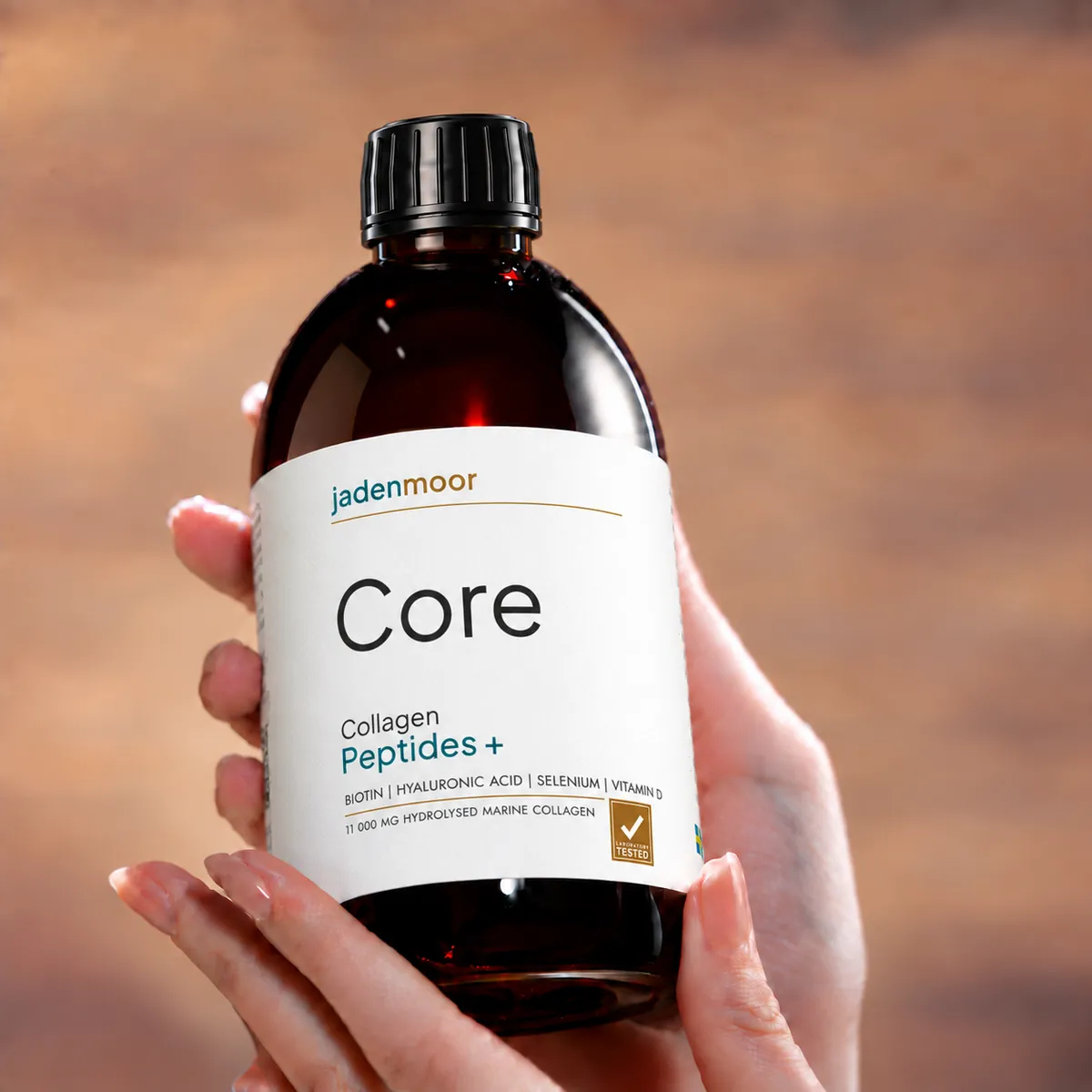
Core™ has 50 mg of hyaluronic acid in each portion, alongside 11,000 mg of marine collagen and vitamin C.13 One portion holds the following.
- Marine collagen, 11,000 mg. Hydrolysed, types I and III, in a single portion.
- Hyaluronic acid, 50 mg. In every portion.
- Vitamin C, 120 mg. Vitamin C contributes to normal collagen formation for the normal function of skin.14
- Biotin, 5,000 µg. Biotin contributes to the maintenance of normal skin.14
- Silica, 50 mg. Plus vitamin D, vitamins B5, B6 and B12, and selenium.
The hyaluronic acid trials on this page tested 120 mg or 240 mg a day. Core™ has 50 mg in each portion, as one part of a recipe built around 11,000 mg of marine collagen. It tastes of natural berry, is sugar free and fat free, and you take one portion a day. See the full label on the Core™ product page, or read more on why vitamin C and collagen go together.
What did women report on our liquid marine collagen?
In our 8-week user trial, 95% of 106 women felt that the appearance of their skin improved and 89% reported more moisture and glow after taking our liquid marine collagen every day. These are answers about the whole drink, reported by the women themselves.13
reported more moisture and glow.
felt that the appearance of their skin improved.
found it easy to include in their daily routine.
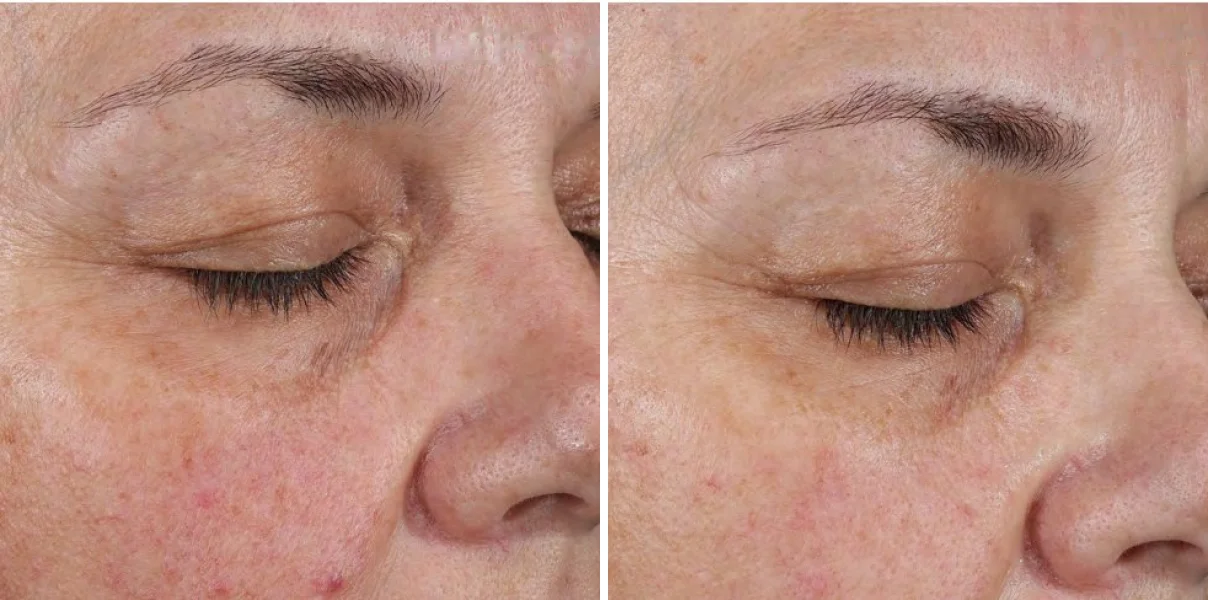
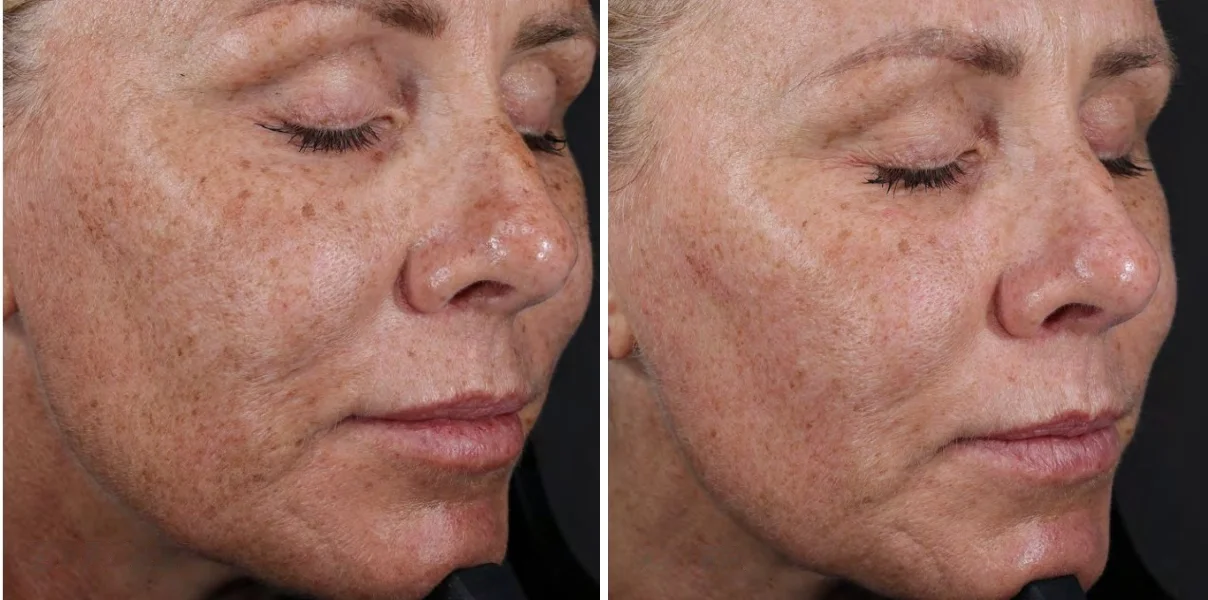
Participants in the 8-week user trial of our liquid marine collagen, photographed before and after.
Women in that trial reported visible results in as little as 4 weeks, with further improvement by week 8.13
What women say
One writer reported glowier, more even skin after around six months on 10,000 mg of marine collagen a day, and one buyer of ours wrote of visible changes in skin and nails. Their words are below.
“To my surprise, these worked.”
After around six months on 10,000 mg of marine collagen a day she reported glowier, more even skin that held on to hydration for longer.
Charlotte BitmeadWriting in Stylist15
“I can really see the visible changes in my skin and nails.”
★★★★★
Check4YouVerified purchase · Amazon, Germany · 27 December 2023
An independent first-person account of marine collagen published by the outlet named, and a verified buyer review of our liquid marine collagen as sold under our manufacturer's own label.
Questions about hyaluronic acid supplements
Do hyaluronic acid supplements work for skin?
A trial at 120 mg a day recorded differences from placebo. In a 12-week trial of 40 adults aged 35 to 64, that dose gave higher facial stratum corneum water content and lower facial transepidermal water loss than placebo.
How much hyaluronic acid did the studies use?
120 mg a day in both 12-week trials on this page. The 2014 review covered studies of 120 mg or 240 mg a day.
How long did the hyaluronic acid studies run?
The studies ran from 2 to 12 weeks. The 2014 review covered studies lasting 2 to 6 weeks, the crow's-feet trial recorded its difference at 8 weeks, and the hydration trial took its reading at 12 weeks.
Can you take hyaluronic acid and collagen together?
Yes. Core™ carries both in one portion: 11,000 mg of marine collagen and 50 mg of hyaluronic acid. Skin holds both as well, with collagen as its main structural protein.
How much hyaluronic acid is in Core™?
Core™ has 50 mg of hyaluronic acid in each portion, alongside 11,000 mg of marine collagen and vitamin C. The hyaluronic acid trials described here tested 120 mg or 240 mg a day.
Where is hyaluronic acid found in the body?
About half of it is in your skin, according to reviews. One estimate puts the whole-body amount for a 70 kg person at about 15 g.